
How it works
Lares quietly watches daily patterns,
then steps in when it matters.
Syncs
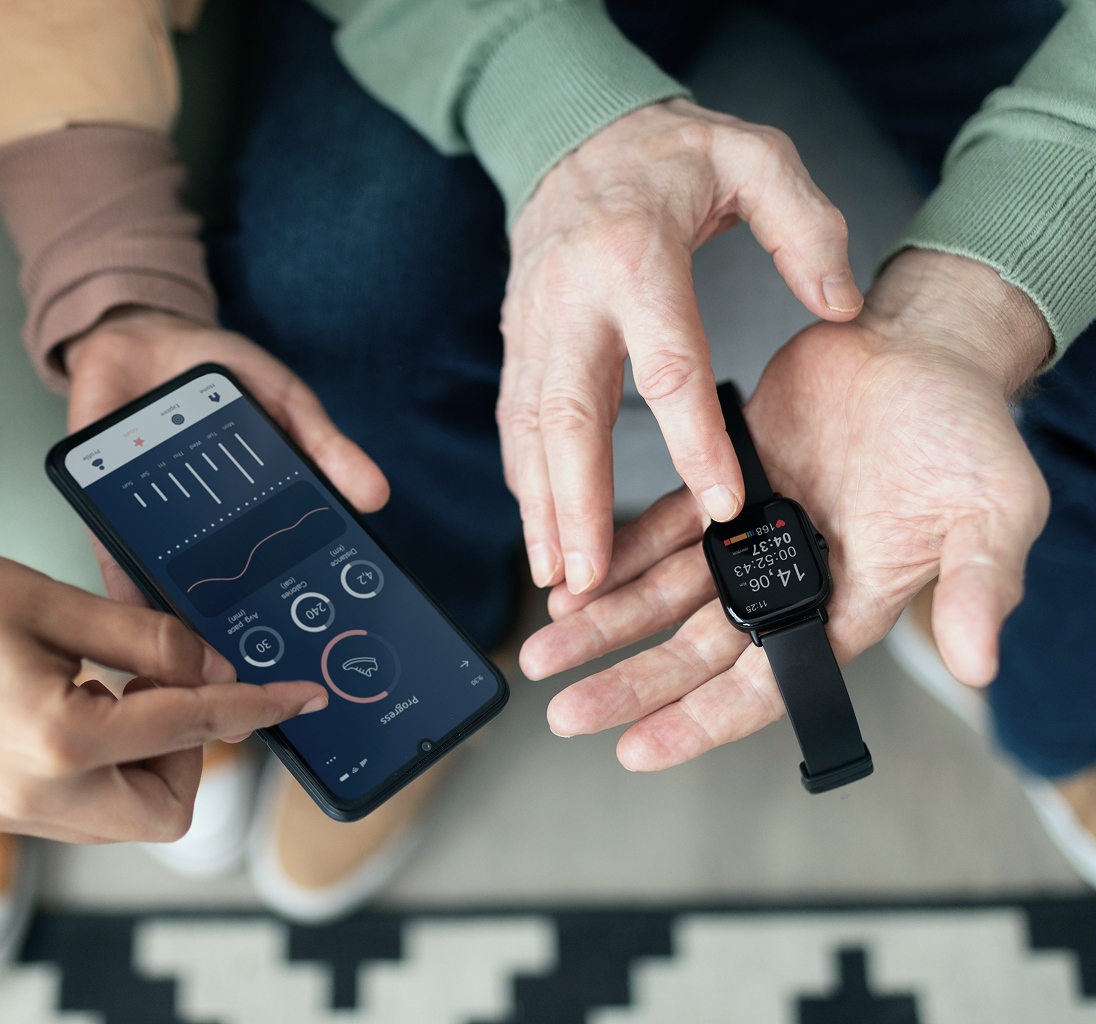
Connects to Apple Watch and iPhone to track movement and sleep.
Learns
AI detects unusual patterns by learning what “normal” looks like for each person.
Alerts
Sends clear alerts and triggers voice check-ins when something looks off.
From real-world signals to meaningful alerts
We don't ship hubs or proprietary hardware. Lares starts with Apple Watch, iPhone, and Apple Health–connected devices like scales and blood pressure cuffs. These devices quietly collect movement-related data and vital patterns throughout the day.
Our models turn that raw stream into simple stories about routine, steadiness, and change over time—so families can see whether things are stable, drifting, or slipping in ways that might merit action.
What signals Lares looks at
Activity and movement
Daily step counts, walking distance, and general activity levels. We’re looking for slow drifts: fewer steps, shorter walks, more time sitting than usual.
Steadiness & fall risk indicators
Signals from Apple’s mobility metrics—walk steadiness, balance-related trends, and changes that may increase fall risk over time.
Sleep & rest patterns
Changes in sleep duration, fragmentation, and overnight restlessness that may correlate with mood, medication effects, or overall decline.
Connected devices
Where families use Apple Health–connected scales or blood pressure cuffs, Lares can incorporate those trends as additional context.
Visual signal flow
How LaresCare works in real life
A simple, quiet loop: connect data, learn a baseline, and notify families when patterns change.
Step 1
Connect to Apple Health
Securely links Apple Watch and iPhone data like activity, sleep, and heart rate.

Step 2
Establish a baseline
AI learns what “normal” looks like for each person over time.
Step 3
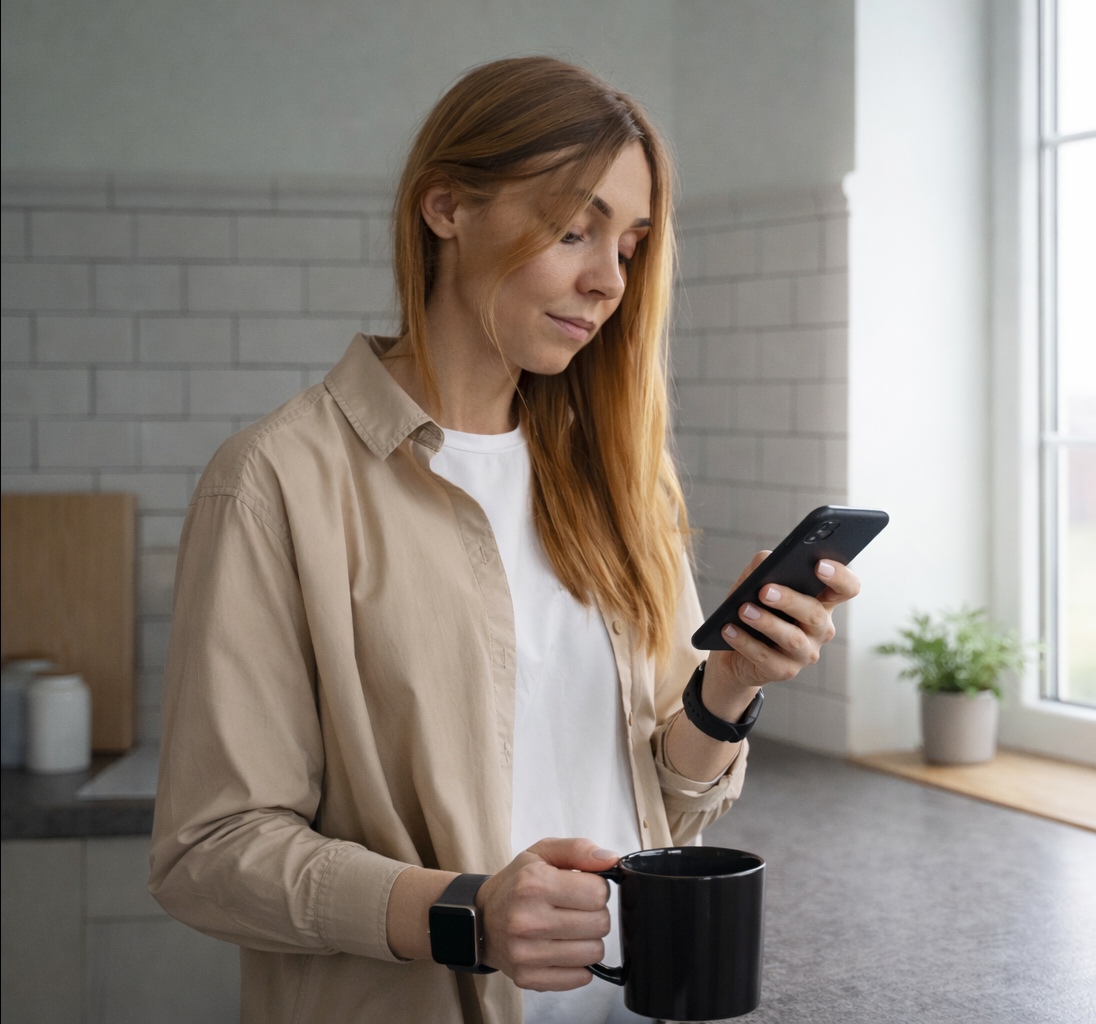
Monitor & alert
Families get clear updates when trends shift or risk rises.
What it feels like for families
A simple view of how things are going
Families get a concise picture of how routines are trending: broadly stable, drifting, or clearly worsening. No training needed.
Clear next-step suggestions
When a trend matters, Lares frames reasonable options—like checking in, encouraging a walk, or talking with a clinician.
Ready to see Lares in action with your family?
Early Bay Area pilots help shape how the product works in the real world.
Join the waitlist